Modern techniques mean that treatment is usually straightforward and far more comfortable than its reputation suggests.
Inside each tooth is a space containing nerves and blood vessels (the pulp). If this tissue becomes infected or inflamed — usually due to decay, cracks, trauma, or repeated dental work — it can cause pain, sensitivity, or swelling.
Root canal treatment removes the infected tissue, cleans the inside of the tooth, and seals it to prevent further infection.

Back to Endodontics
Root canal treatment is usually carried out over one or more visits and involves:
Once the root canal is completed, the tooth is restored to function normally again.
You may be referred for advanced root canal care if:
In some cases, the main question is whether the tooth requires root canal treatment. In others, the question is whether the tooth is worth saving at all. A focused endodontic assessment can help clarify that decision.
Where appropriate, endodontic treatment can be coordinated with the wider restorative plan for the tooth, particularly in patients with crowns, bridges, worn teeth, or more complex treatment needs.
With modern techniques and local anaesthetics, root canal treatment is usually no more uncomfortable than having a filling placed. Most patients are surprised by how manageable the procedure feels.
Some mild tenderness afterwards is normal and usually settles within a few days.
Teeth that need root canal treatment are often weakened by decay or previous restorations. A crown is frequently advised to:
Not every tooth needs a crown — this is assessed individually.
With proper restoration and maintenance, a root canal-treated tooth can last many years. Longevity depends on:
Where possible, keeping your natural tooth is usually the preferred option. Root canal treatment allows this in many cases.
While root canal treatment is highly predictable, no treatment has a 100% success rate. Good restoration and maintenance reduce the risk of reinfection.
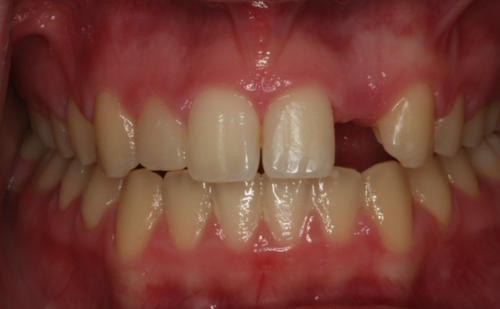
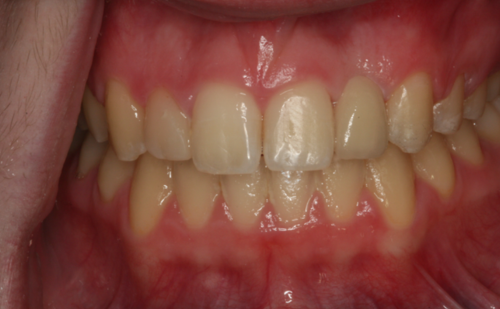
Some teeth may darken over time. This can often be managed with whitening or cosmetic restoration if needed.
Root canal treatment may be recommended if you:
In some cases, there may be little or no pain, and the problem is detected on X-ray during a routine examination.
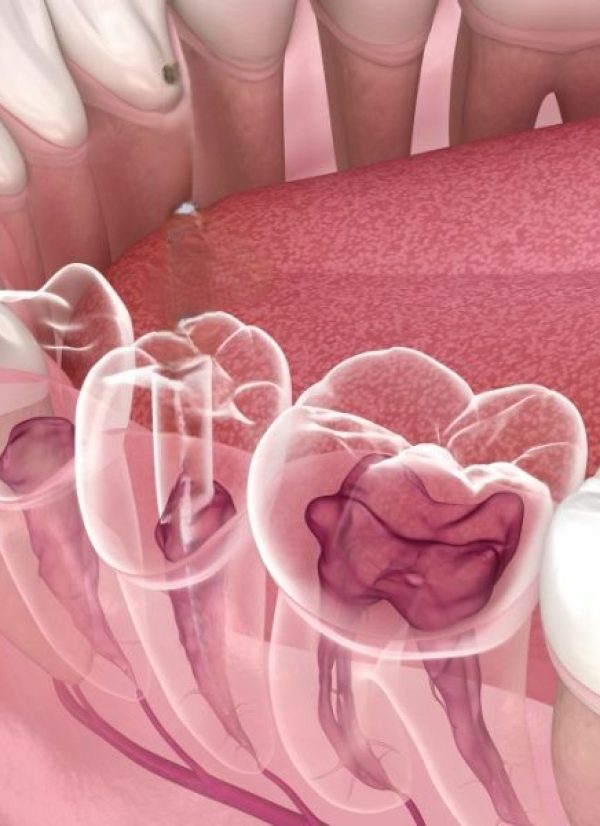

Advanced endodontic care is concerned with treating problems inside the tooth, particularly the nerve and root canal system. This usually means assessing and managing teeth that are painful, infected, difficult to diagnose or more complex to treat.
At Harcourt Dental Clinic, Paul McPartland provides root canal care. He assesses and treats teeth where root canal treatment may be needed and is often involved when a tooth may be worth saving but requires detailed investigation or more complex treatment.
Root canal treatment is usually carried out by your treating dentist. In more complex cases — such as difficult anatomy, persistent infection, or retreatment — referral to or collaboration with Paul McPartland for advanced root canal care may be recommended.
Root canal treatment removes infection and saves teeth. When planned and restored properly, it is a reliable and effective solution. Advanced endodontic care focuses on diagnosing and treating more complex problems inside the tooth.
If a tooth is painful, infected, previously root treated, or difficult to assess, referral to Paul McPartland for advanced root canal care may help clarify whether it can be predictably treated and saved.

Read what our patients have to say about their care at Harcourt Dental Clinic.
Explore
I required some extensive dental work, which I had been catastrophising in my head for some time now. Having finally plucked up the courage, I consider myself extremely fortunate to have been cared for so professionally & competently by Lorna…

I had a great experience with Lorna. She was very competent, gentle and took the time to explain everything clearly. I’d highly recommend Lorna to anyone who feels anxious about visiting the dentist!
I’ve been a patient at Harcourt Dental Clinic for about 5 years now, and I couldn’t be happier with the service I’ve received. From the friendly and welcoming staff to the professional and skilled dentists, every visit has been a…
Martina is an excellent hygienist, professional, kind, and thorough. She made me feel completely at ease and did a fantastic job with my cleaning. I highly recommend her!
I would highly recommend this dental practice. They are very professional in every sense. Special shout-out for Cianna & Kevin, two highly skilled dentists.
I strongly recommend this dental practice. The reception staff are always friendly and polite. Dr Lorna Mahon and her assistant have been excellent in treating a quite difficult dental issue with great care and professionalism.


If you would like to discuss your teeth or treatment options, please contact our team to arrange a consultation.

Follow us on social media for the latest updates, behind-the-scenes moments, and more.