Menu

A discreet way to straighten your smile

Explore a more discreet way to improve your smile. Invisalign® uses a series of custom-made clear aligners to move your teeth gradually, without fixed brackets and wires.

The aligners fit closely over your teeth and can be removed for eating and cleaning. At Harcourt Dental Clinic, every Invisalign® plan begins with a clinical assessment so that treatment is based on your dental health, bite and personal goals.

Could Invisalign® be right for you?

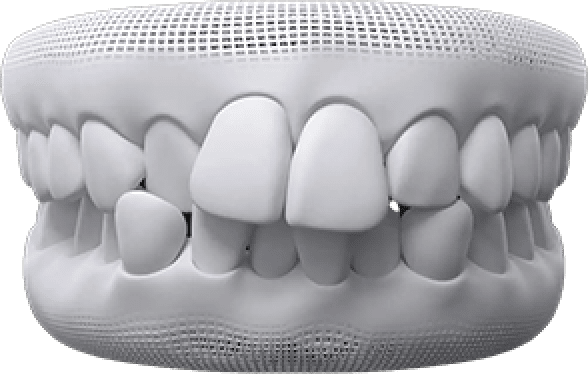
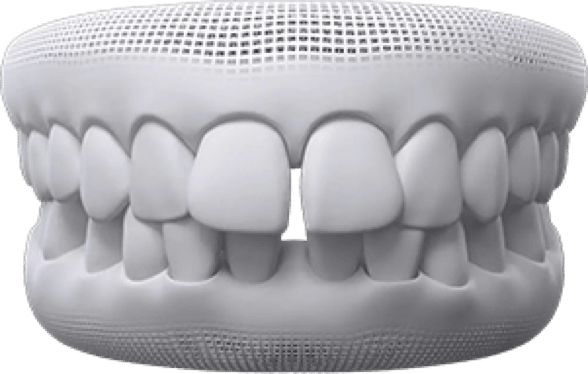
Depending on the complexity of your case, Invisalign® may be considered for crowded or overlapping teeth, gaps, teeth that have moved after previous orthodontic treatment and certain bite concerns. It may also help position teeth more favourably before restorative or cosmetic treatment.

Not every orthodontic problem is suitable for clear aligners. A full assessment is needed before we can advise whether Invisalign® or another approach would best meet your needs.

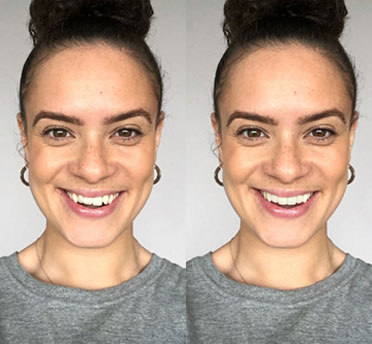
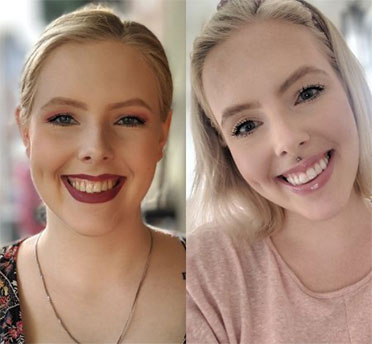
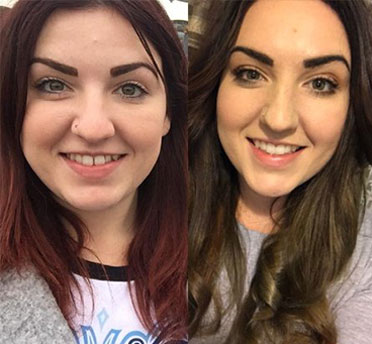
The smile gallery uses illustrative cases supplied by Invisalign®. These are not Harcourt Dental Clinic patient results. Every patient is different, and treatment outcomes and times vary.

What does treatment involve?

  1. Assessment: We examine your teeth, gums and bite and discuss what you would like to change.
  2. Digital records: Scans and photographs help us record your starting position and plan the proposed tooth movements.
  3. Your treatment plan: We explain what may be achievable, the likely treatment commitment, limitations and alternatives.
  4. Your aligners: You wear each aligner as directed and move to the next stage according to your individual plan.
  5. Regular reviews: Your treating dentist monitors progress and adjusts the plan when clinically appropriate.
  6. Retention: Retainers are normally required after active treatment to help maintain the new tooth positions.

A digital simulation may help illustrate the intended direction of treatment, but it is a planning aid and does not guarantee a particular result.

Straighter teeth as part of a wider smile plan

Sometimes moving teeth before bonding, veneers, crowns or other restorative care can provide a more favourable starting point.

Carefully planned aligner treatment may help to:

  • Improve tooth position and spacing
  • Create more balanced tooth proportions
  • Improve bite relationships
  • Reduce the amount of tooth preparation that might otherwise be required
  • Support a more conservative and coordinated restorative plan

Where Invisalign® forms part of wider dental treatment, the aligner and restorative stages are planned together with appearance, function and long-term dental health in mind.

Important points to understand

  • Invisalign® is not appropriate for every orthodontic problem.
  • Aligners must be worn consistently and as instructed.
  • Small tooth-coloured attachments or other supporting procedures may be needed.
  • Temporary pressure or tenderness can occur when a new aligner is fitted.
  • Treatment length varies, and refinements may sometimes be required.
  • Retainers are needed after treatment to help maintain tooth position.
  • Individual responses vary, and a particular result cannot be guaranteed.

Your dentist will explain the expected benefits, limitations, alternatives and responsibilities relevant to your individual case.

Find out what may be possible for your smile

Invisalign® can be an effective and discreet option when it is selected for the right case and planned carefully. Your assessment is an opportunity to discuss your goals, understand the available options and receive a clear, individual treatment plan.

Request an Invisalign® assessment or call Harcourt Dental Clinic on 01 475 1313.

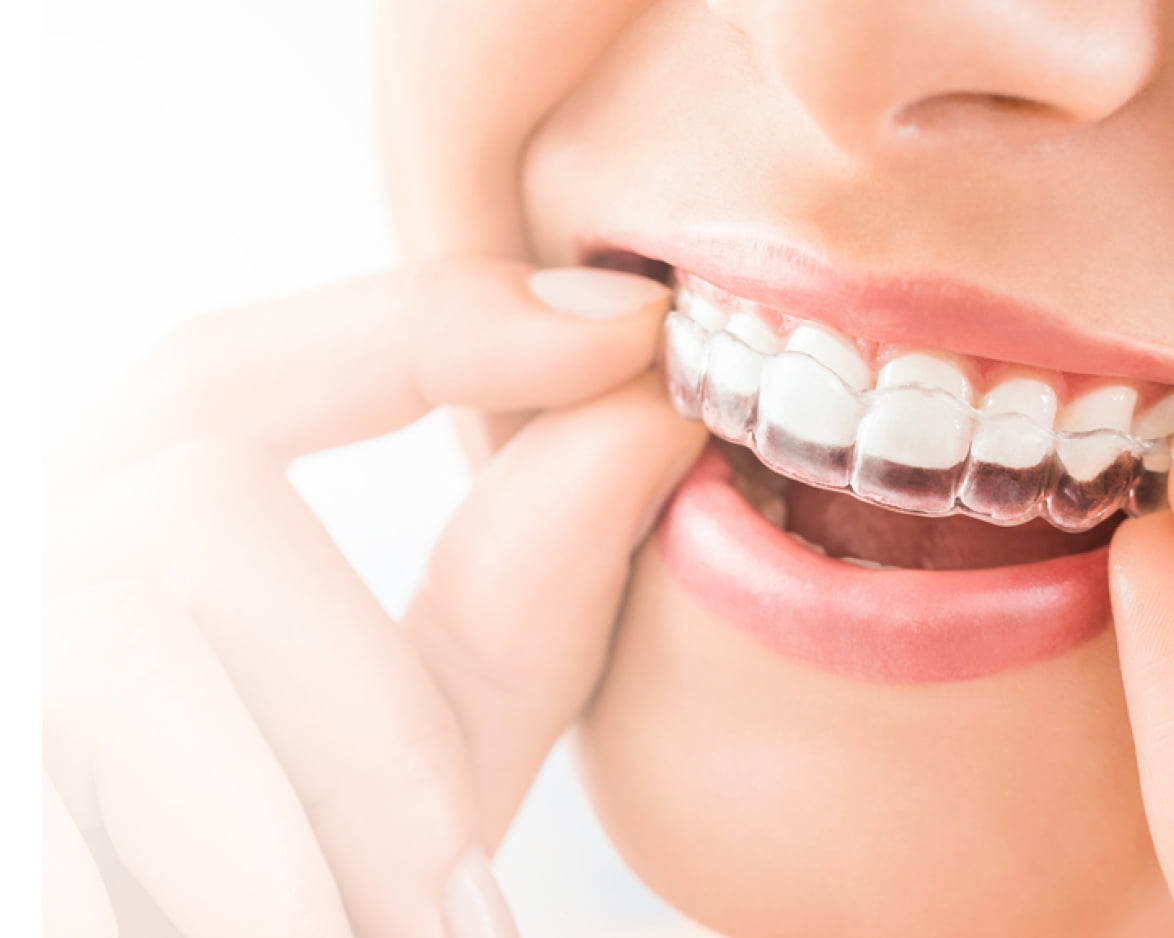
Invisalign

Invisalign®

  • Clear and discreet in everyday life
  • Removable for eating, brushing and flossing
  • Individually planned using digital scans and photographs
  • Regular in-person reviews with your treating dentist
  • Can be coordinated with bonding, veneers or crowns when appropriate
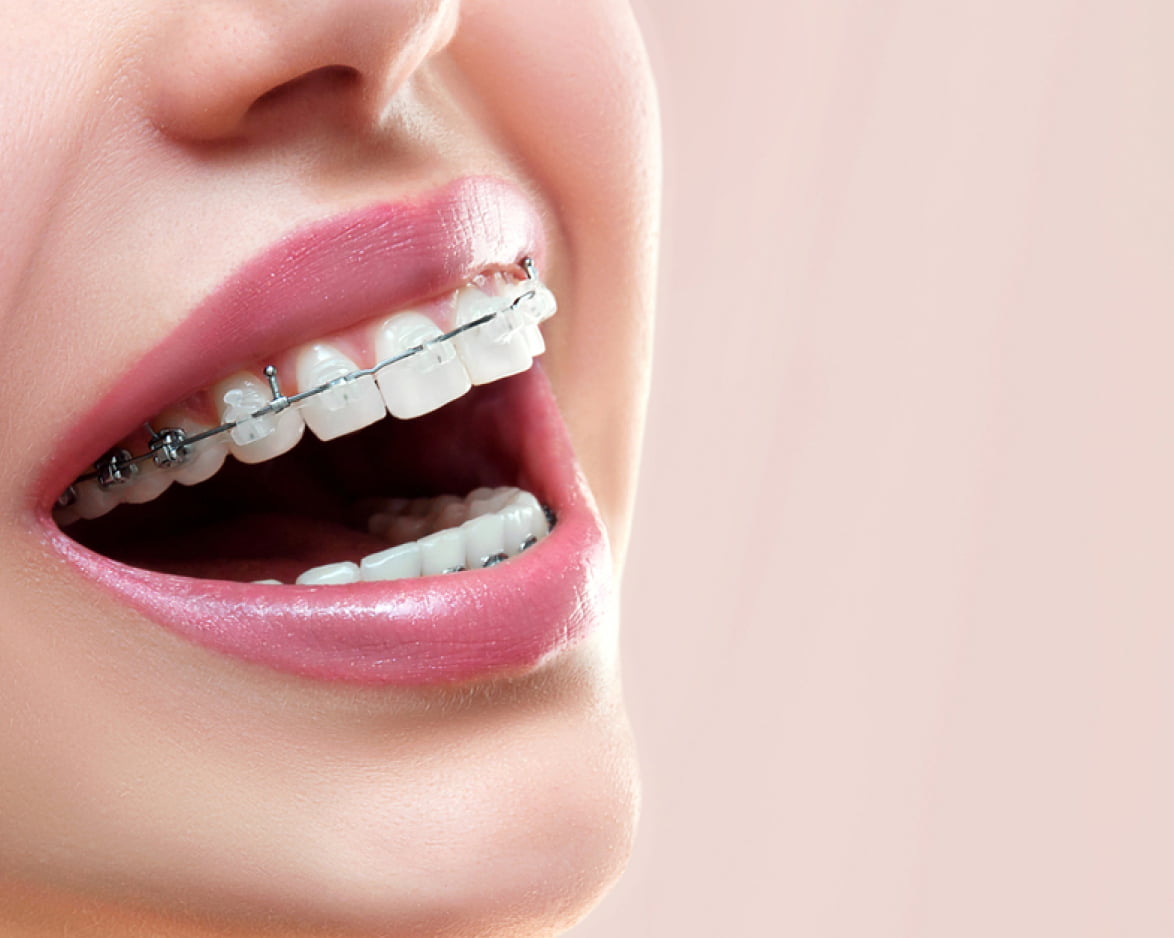
Traditional braces

Traditional Braces

  • Wires and brackets
  • Can decorate with colours
  • Colours can be changed at every visit
  • Non removable
VS

Smile gallery

Invisalign case 1

Before

After

Images by Invisalign

Invisalign case 3

Before

After

Images by Invisalign

Invisalign case 4

Before

After

Images by Invisalign

Invisalign case 2

Before

After

Images by Invisalign

Smile gallery

Invisalign case 1

Before

After

Images by Invisalign

Invisalign case 3

Before

After

Images by Invisalign

Invisalign case 4

Before

After

Images by Invisalign

Invisalign case 2

Before

After

Images by Invisalign

Invisalign® compared with other treatment options

Other clear aligners

Traditional braces

Custom-made aligners planned for your teeth

check

Regular in-person reviews with your treating dentist

check
check

Removable for eating, drinking, brushing and flossing

check
check

Custom-made aligners planned for your teeth

check

Regular in-person reviews with your treating dentist

check

Removable for eating, drinking, brushing and flossing

check

No fixed wires that can break

check

Clear and discreet in everyday life

check

Aligners are designed for your individual treatment plan

check

Wear and progress are discussed during reviews

check

Suitability and fees are assessed individually

check

Removable for eating, drinking, brushing and flossing

check

No fixed wires that can break

check

Clear and discreet in everyday life

check

Suitability and fees are assessed individually

check

Regular in-person reviews with your treating dentist

check

Traditional braces use fixed brackets and wires

check

Suitability and fees are assessed individually

check
In-Person Consultation

Individual Invisalign® planning and regular in-person care

Silver-Invisalign-Provider

Three reasons to consider Invisalign® at Harcourt Dental Clinic

reasons icon

Individual planning
Your assessment considers your dental health, bite and the changes you would like to make.

reasons icon

Digital records
Scans and photographs help us plan and explain the proposed tooth movements.

reasons icon

Regular in-person care
Your treating dentist monitors progress and adjusts the plan when clinically appropriate.

In-Person Consultation

What can Invisalign® fix?

Crowded teeth

Crowded teeth

Crowded teeth is a condition where you do not have enough room for your teeth to fit normally. This can cause plaque or tartar and other harmful bacteria to build up as it is harder for you to brush and floss well.

Gaps between teeth

Gaps between teeth

Gaps between teeth is when there is extra space between two or more of your teeth. This can cause pockets between your teeth and gums and can cause food to get stuck making them tender and sore. This might also lead to gum disease.

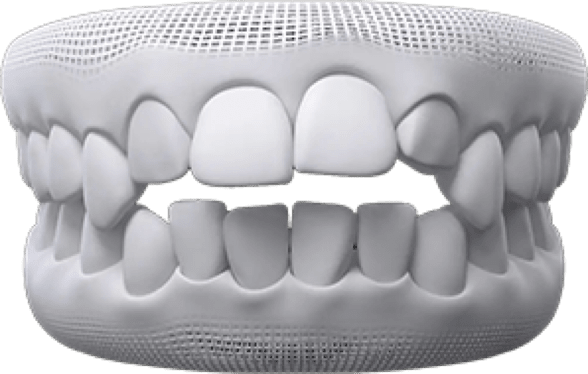
Open bite

Open bite

An Open bite is when your upper and lower teeth don't touch when you close your mouth. An open bite can make it hard for you to chew or difficult to bite even the most common of food like apples.

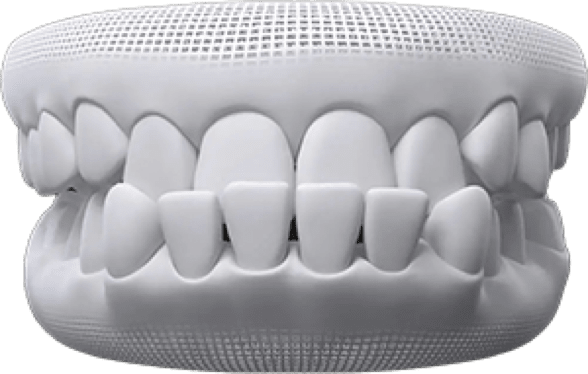
Underbite

Underbite

An underbite is when you close your mouth and your lower front teeth are in front of your upper teeth. In many cases, this is actually a problem with your lower jaw being too far forward. An underbite can make it hard to chew properly and speak clearly, and it might cause your teeth to wear down more quickly.

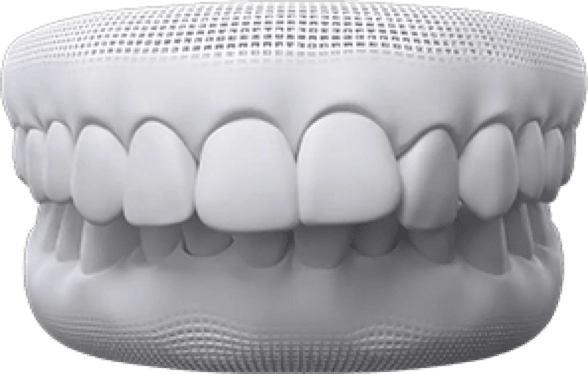
Overbite

Overbite

An overbite is when your upper front teeth overlap with your lower front teeth. Most people have at least a little overbite. When your overbite is too large, your doctor might tell you you have a deep bite. This can cause problems, from your teeth wearing down to pain in your jaw.

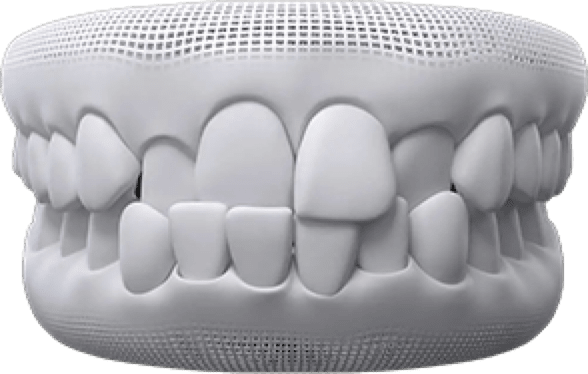
Crossbite

Crossbite

A crossbite is when you close your mouth and yet some of your upper teeth are sitting inside your lower teeth rather than on the outside. A crossbite can make your teeth wear down or chip. It can also make your gums start to recede or make little notches above your gum line. This kind of damage can lead to painful gum problems or even bone loss.

In-Person Consultation

Invisalign® fees and your treatment plan

Every Invisalign® case is different. The fee depends on the complexity of the tooth movements, the extent of treatment required and any supporting procedures included in your plan.

Following your assessment, we will explain the proposed treatment, what is included, the likely treatment commitment and the associated fees. You will receive a written estimate before treatment begins.

Request an assessment or call 01 475 1313.

Learn More

Your individual Invisalign® plan

Fee confirmed after assessment
  • Suitability and treatment options explained
  • Individual treatment planning
  • Written fee estimate before treatment begins
Book Now

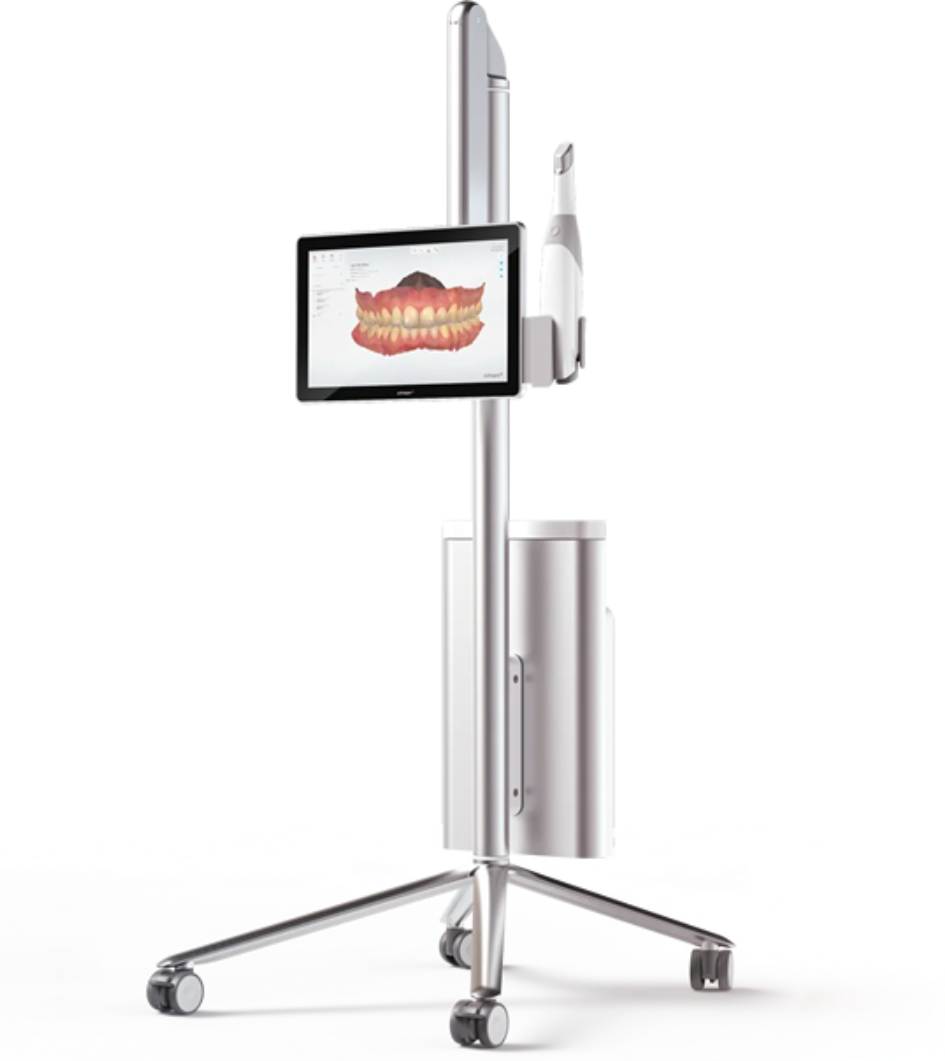
Digital scans and photographs help us record your starting position and plan the proposed tooth movements. They also help your dentist explain the proposed treatment clearly.

A digital simulation may help illustrate the intended direction of treatment, but it is a planning aid and does not guarantee a particular result.

Our Technology
scan thumb
itero logo

Frequently asked questions

1. What is Invisalign®?

Invisalign® is an orthodontic treatment that uses a sequence of custom-made clear aligners to move teeth gradually. The aligners are removable and are changed in stages according to an individual treatment plan.

2. Am I suitable for Invisalign®?

Suitability depends on your dental health, bite, treatment goals and the complexity of the movements required. A clinical examination is necessary before Invisalign® can be recommended.

3. What dental problems can Invisalign® address?

Depending on the case, Invisalign® may help with crowding, gaps, teeth that have moved after previous orthodontic treatment and certain bite concerns. More complex problems may require a different approach or additional orthodontic input.

4. What happens during Invisalign® treatment?

Treatment normally includes an assessment, digital scans and photographs, individual planning, a sequence of aligners and regular progress reviews. Retainers are usually required after active treatment.

5. How long does Invisalign® treatment take?

Treatment length varies according to the starting position of your teeth, the movements required and how consistently the aligners are worn. Your dentist will provide an individual estimate after completing the assessment and planning.

6. How will aligners affect everyday life?

The aligners are removed for eating and for cleaning your teeth. They need to be worn consistently at other times, following your dentist’s instructions. Mild pressure or temporary changes in speech can occur while you adjust to them.

7. Can I have Invisalign® if I have crowns, veneers or bridges?

Possibly. Existing crowns, veneers, implants and bridgework must be considered carefully because they can affect which teeth can be moved and how treatment is planned. Your dentist will assess this before recommending treatment.

8. How much does Invisalign® cost?

The cost depends on the complexity and extent of treatment and any supporting procedures required. Following assessment, the clinic will explain what is included and provide a written estimate before treatment begins.

9. Will I need retainers after treatment?

Yes. Teeth can move throughout life, so retainers and ongoing review are important after orthodontic treatment. Your dentist will advise you how and when to wear them.

In-Person Consultation
logo up thin white plain symbol

Contact

Get in touch

abstract line left white plain shape