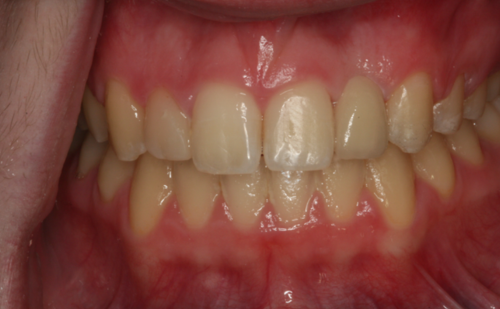
Periodontal (gum) disease affects the tissues that support the teeth. Treatment depends on how advanced the disease is, how the gums respond to initial care, and whether long-term stability can be achieved without surgery.
Periodontal treatment aims to control infection, stabilise the gums, and preserve teeth wherever possible.
Treatment is tailored to the stage and severity of the disease.
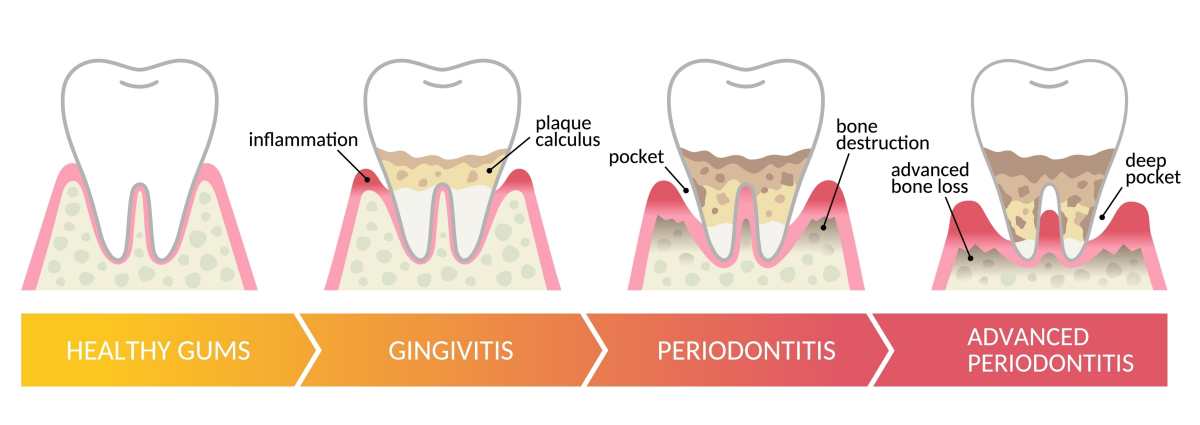
Periodontal surgery may be recommended when:
Surgery is not a first-line treatment and is only considered when necessary.
Advanced periodontal care also involves honest discussion about:
Preserving teeth is always the priority, but predictability and comfort matter.
This is the foundation of all periodontal care and may include:
Early gum disease can often be stabilised at this stage.
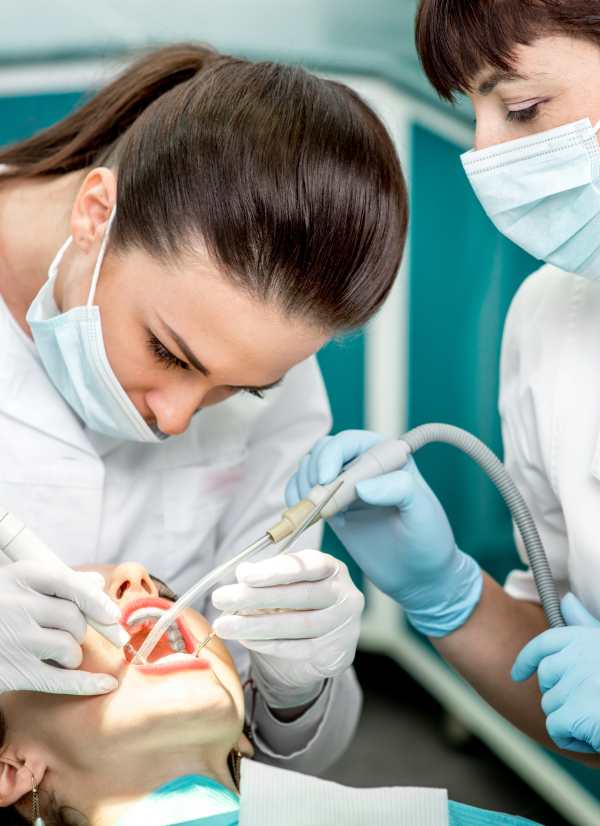

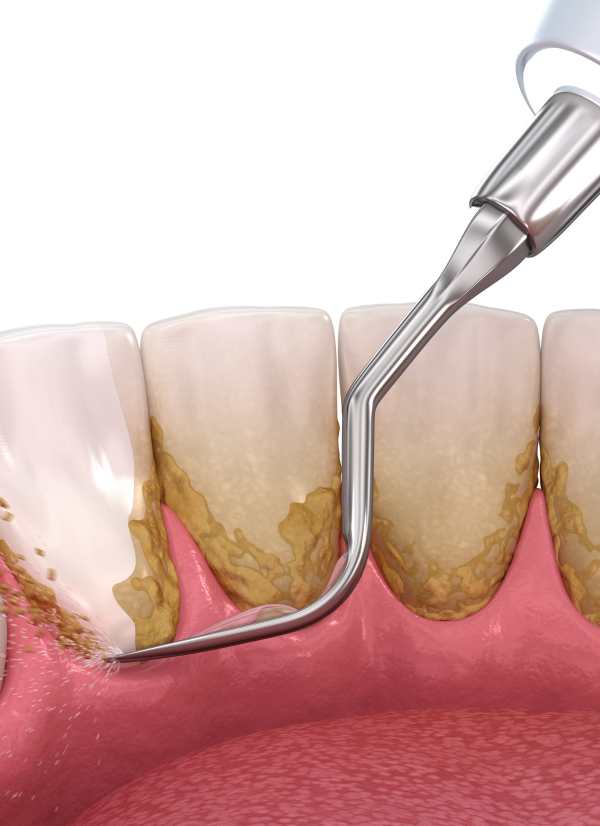
Root planing is a deeper form of cleaning carried out below the gum line.
When it is used:
In some cases, periodontal disease requires:
This phase is critical in determining whether the disease can be controlled without surgery.
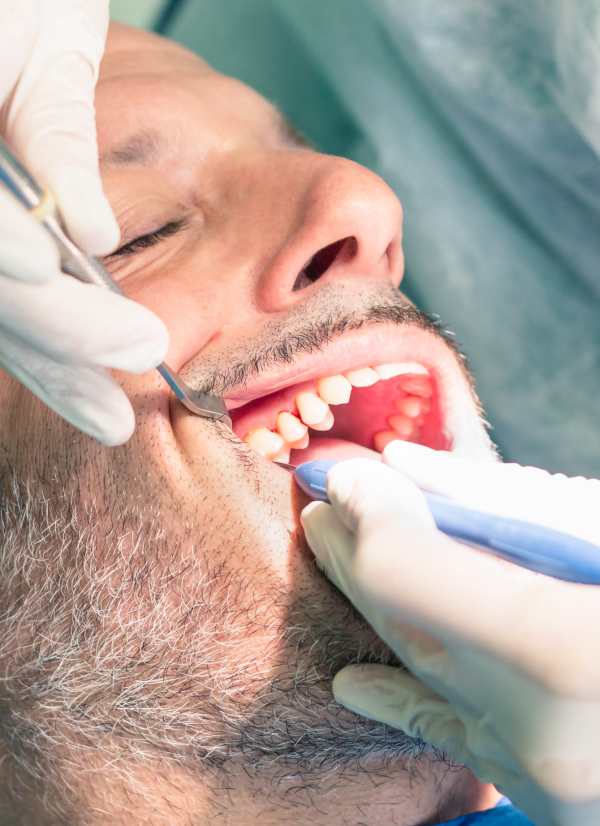
Periodontal disease must be stabilised before advanced dental work can proceed.
Periodontal treatment is planned carefully and explained clearly at each stage. Your dentist and hygiene team will guide you through appropriate options based on disease severity and response to treatment.
Where periodontal disease forms part of a wider restorative or complex dental plan, care is coordinated to ensure gum health, tooth support, and long-term outcomes are aligned.
Gum disease is manageable at all stages, but it requires the right level of treatment at the right time. Early intervention reduces the need for surgery and improves long-term outcomes.

Read what our patients have to say about their care at Harcourt Dental Clinic.
Explore
I required some extensive dental work, which I had been catastrophising in my head for some time now. Having finally plucked up the courage, I consider myself extremely fortunate to have been cared for so professionally & competently by Lorna…

I had a great experience with Lorna. She was very competent, gentle and took the time to explain everything clearly. I’d highly recommend Lorna to anyone who feels anxious about visiting the dentist!
I’ve been a patient at Harcourt Dental Clinic for about 5 years now, and I couldn’t be happier with the service I’ve received. From the friendly and welcoming staff to the professional and skilled dentists, every visit has been a…
Martina is an excellent hygienist, professional, kind, and thorough. She made me feel completely at ease and did a fantastic job with my cleaning. I highly recommend her!
I would highly recommend this dental practice. They are very professional in every sense. Special shout-out for Cianna & Kevin, two highly skilled dentists.
I strongly recommend this dental practice. The reception staff are always friendly and polite. Dr Lorna Mahon and her assistant have been excellent in treating a quite difficult dental issue with great care and professionalism.


If you would like to discuss your teeth or treatment options, please contact our team to arrange a consultation.

Follow us on social media for the latest updates, behind-the-scenes moments, and more.