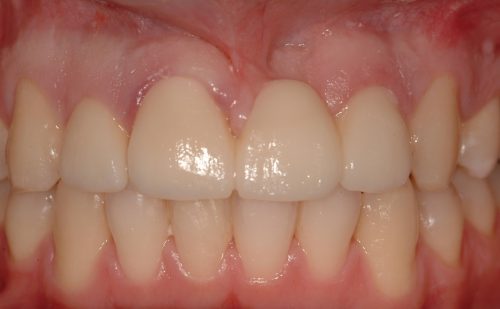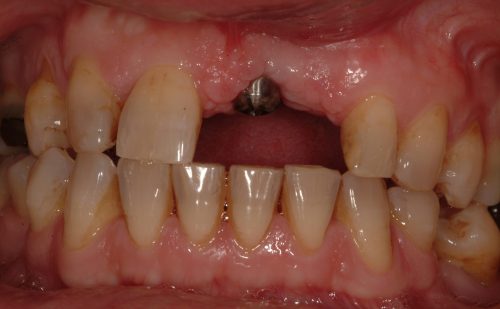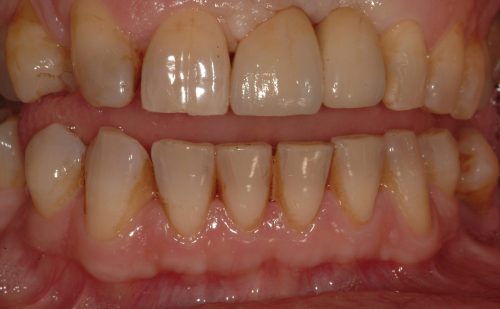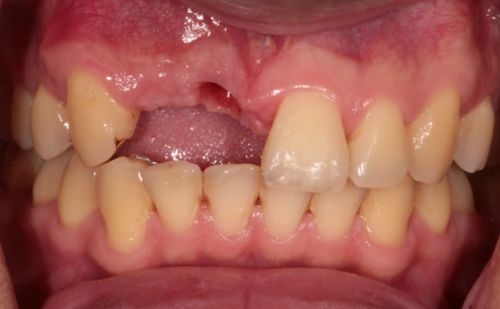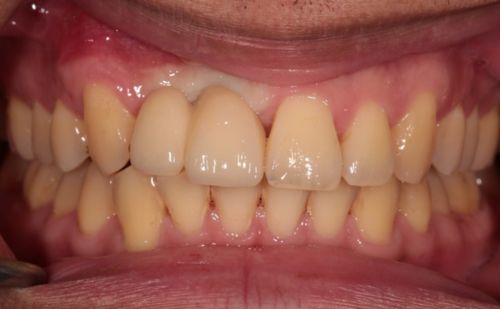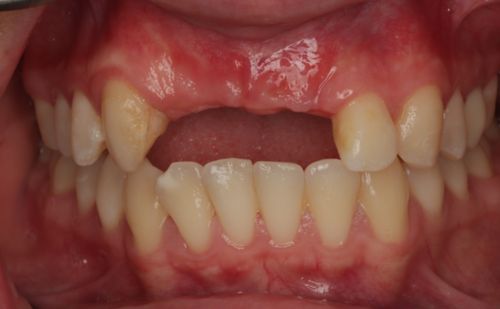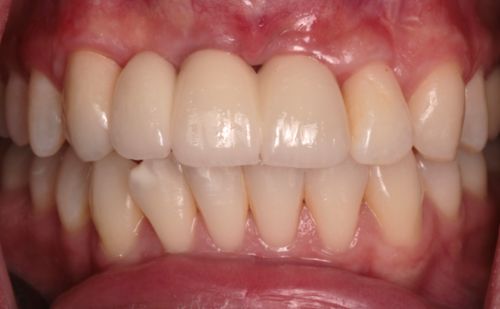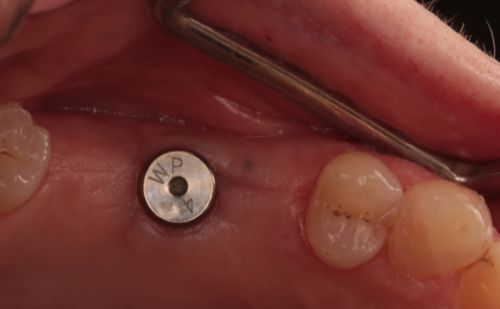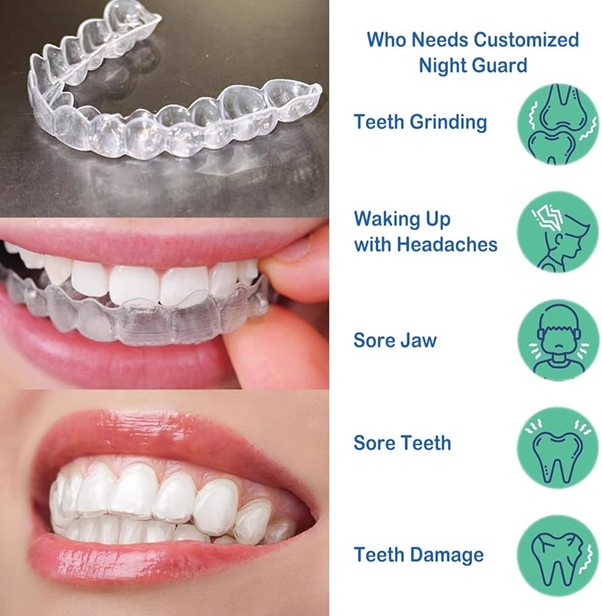
They are commonly recommended both to prevent damage and to protect dental work that has already been carried out.
Back to Worn Teeth & Bite Rehabilitation
Many people grind or clench their teeth without being aware of it, particularly during sleep. Over time, this can lead to:
A night guard acts as a protective barrier, reducing stress on teeth and restorations.
A night guard may be advised if you:
In many cases, it is a preventive measure rather than a response to symptoms.
A custom-made night guard:
It does not stop grinding, but it significantly reduces the damage caused by it.
No, night guards are tailored to the individual and may vary depending on:
Your dentist will recommend the most appropriate design for your situation.
Wearing and caring for your night guard instructions:
Night guards may need adjustment or replacement over time.
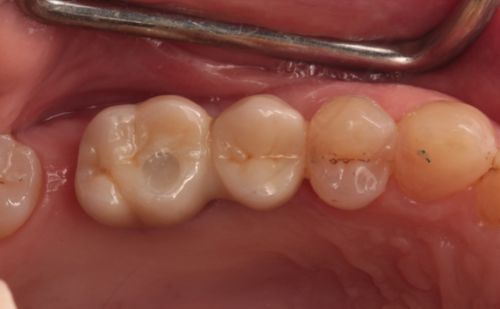
After treatment involving crowns, veneers, bonding, implants, or bite changes, a night guard is often recommended to:
This is especially important in patients with a history of tooth wear.
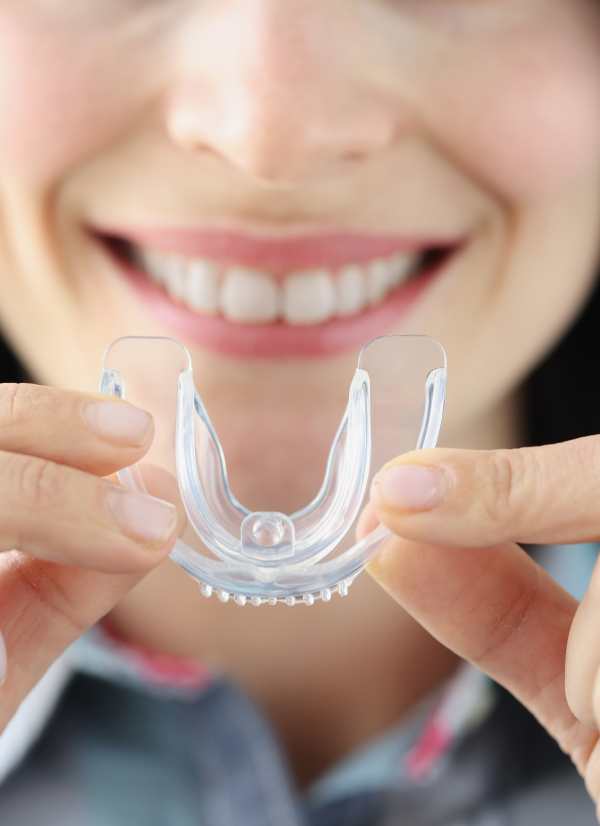

Your dentist will assess whether a night guard is appropriate and explain its role clearly.
Night guards are not a sign that something has gone wrong — they are a proactive way to protect your teeth and dental work and reduce the risk of future problems.

Read what our patients have to say about their care at Harcourt Dental Clinic.
Explore
I required some extensive dental work, which I had been catastrophising in my head for some time now. Having finally plucked up the courage, I consider myself extremely fortunate to have been cared for so professionally & competently by Lorna…

I had a great experience with Lorna. She was very competent, gentle and took the time to explain everything clearly. I’d highly recommend Lorna to anyone who feels anxious about visiting the dentist!
I’ve been a patient at Harcourt Dental Clinic for about 5 years now, and I couldn’t be happier with the service I’ve received. From the friendly and welcoming staff to the professional and skilled dentists, every visit has been a…
Martina is an excellent hygienist, professional, kind, and thorough. She made me feel completely at ease and did a fantastic job with my cleaning. I highly recommend her!
I would highly recommend this dental practice. They are very professional in every sense. Special shout-out for Cianna & Kevin, two highly skilled dentists.
I strongly recommend this dental practice. The reception staff are always friendly and polite. Dr Lorna Mahon and her assistant have been excellent in treating a quite difficult dental issue with great care and professionalism.


If you would like to discuss your teeth or treatment options, please contact our team to arrange a consultation.

Follow us on social media for the latest updates, behind-the-scenes moments, and more.